Drone Roof Surveys: What to Expect and When You Need One
A drone roof survey delivers a detailed condition assessment without scaffolding, ladders, or disruption. Here's what the process involves, what you'll receive, and the situations where a drone survey is the right choice.
The Problem with Traditional Roof Inspections
Accessing a roof for inspection has traditionally meant scaffolding, cherry pickers, or a brave operative with a ladder. These approaches are expensive, time-consuming, and carry genuine safety risks. For large commercial roofs, industrial buildings, or properties where access is restricted, a traditional inspection may not be practical at all.
Drone roof surveys solve this problem entirely. A qualified pilot can conduct a comprehensive visual inspection of any accessible roof in a fraction of the time, at a fraction of the cost, with zero risk to personnel.
What a Drone Roof Survey Covers
A Stratus Intelligence roof survey captures high-resolution imagery of every accessible roof surface, including:
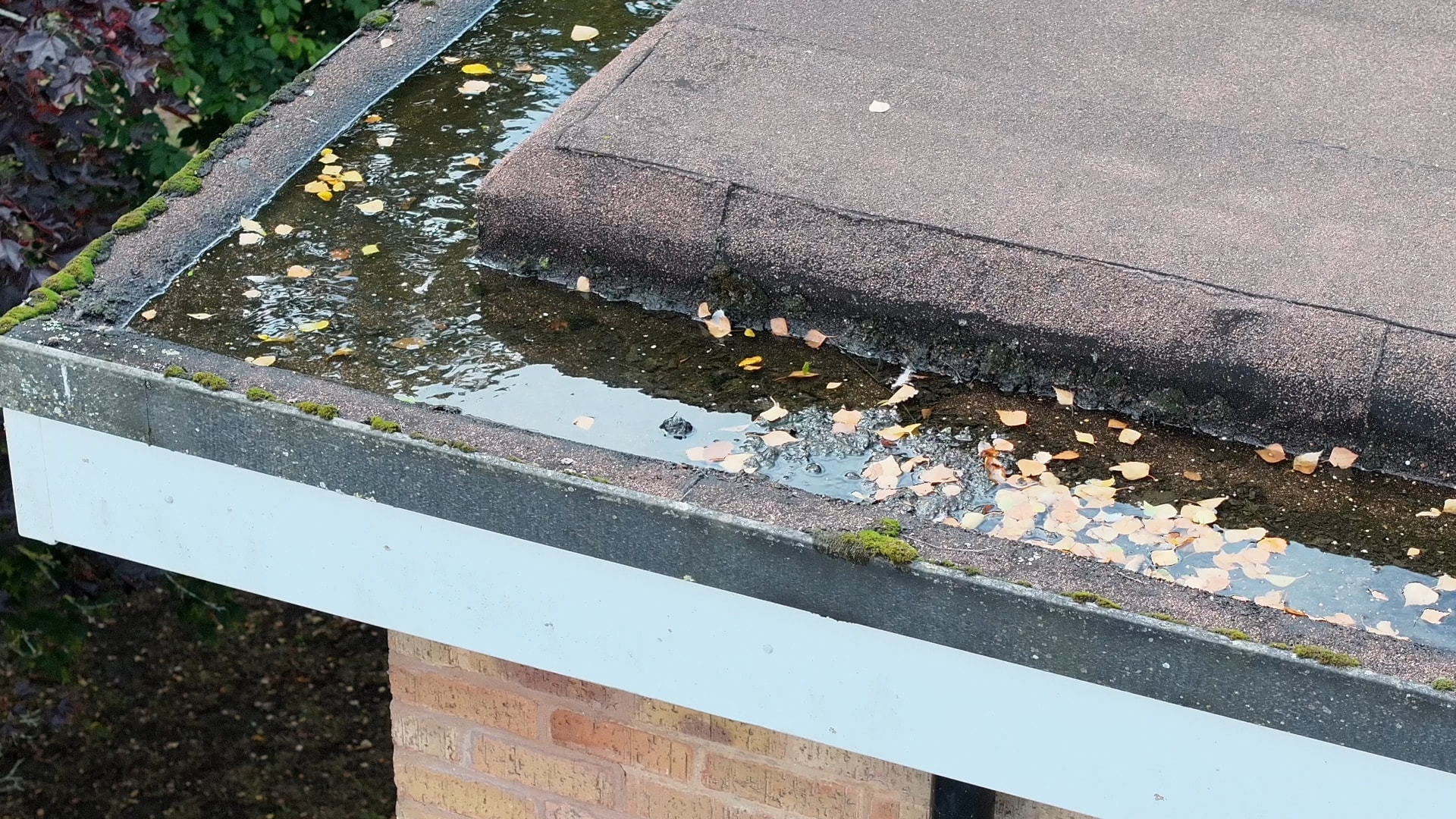
- Flat roof membranes — checking for blistering, cracking, ponding water, and membrane failure
- Pitched roof coverings — identifying missing, slipped, or damaged tiles and slates
- Ridge and hip tiles — a common failure point often missed in ground-level assessments
- Flashings and upstands — checking for lifting, cracking, or separation at junctions
- Gutters, downpipes, and outlets — identifying blockages, damage, and overflow evidence
- Rooflights and skylights — checking frames, glazing, and seals
- Chimney stacks and parapet walls — assessing pointing, capping, and structural condition
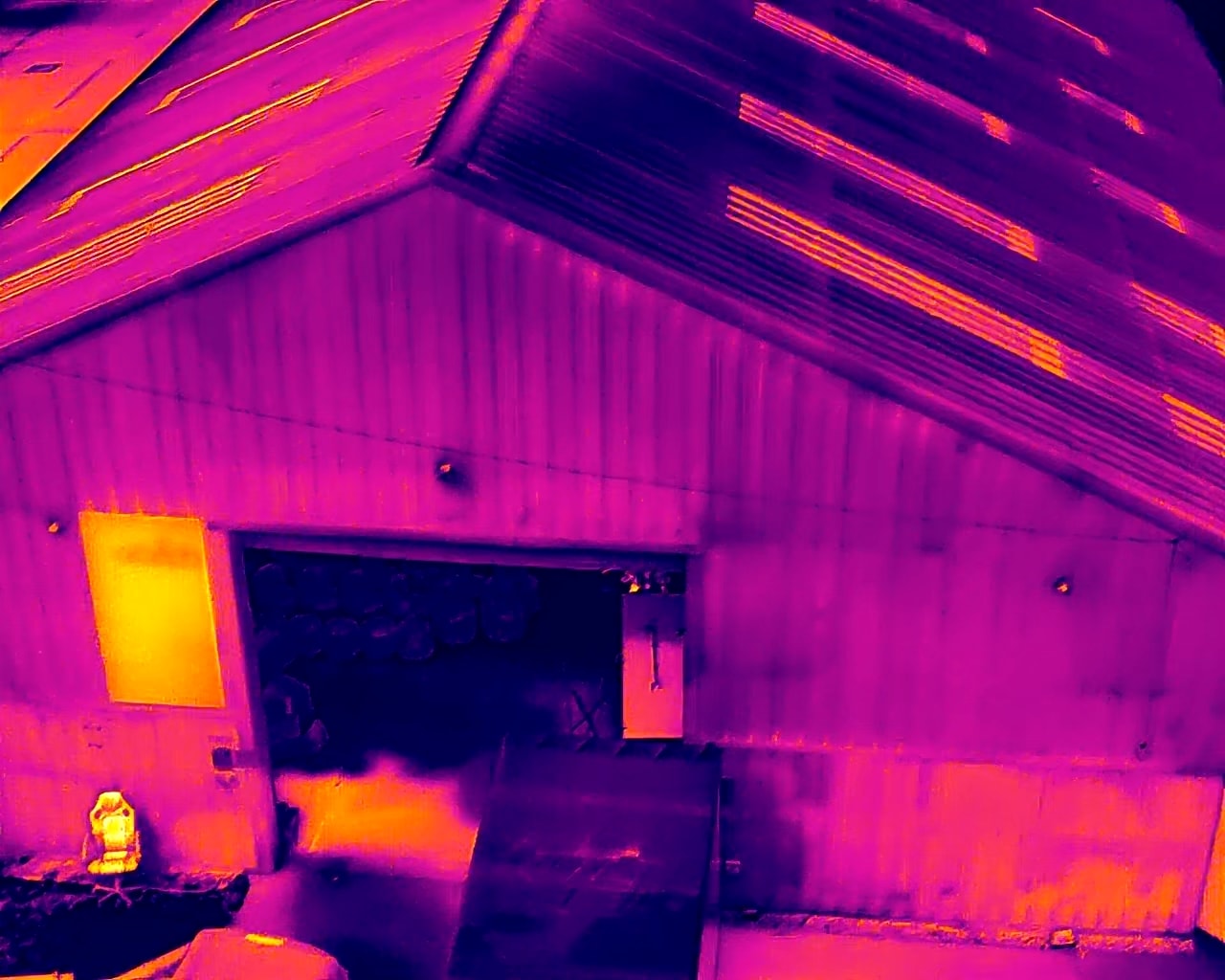
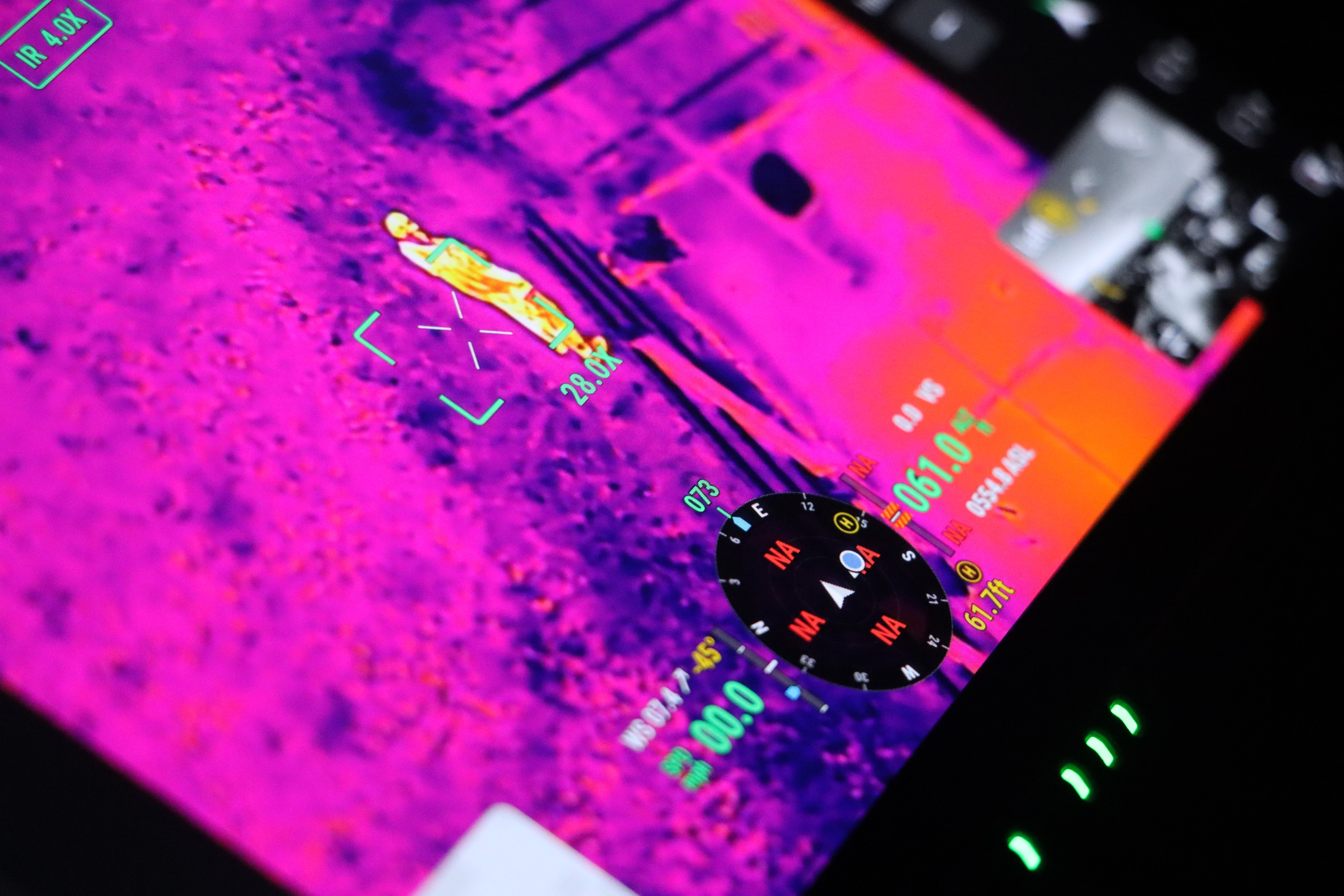
Where thermal imaging is included (our Basic and Enhanced tiers), the survey also identifies moisture trapped within flat roofing systems — a problem that is invisible to visual inspection alone.
The Survey Process
A typical roof survey takes 1–2 hours on site, depending on the size and complexity of the building. Our pilot will:
- Conduct a pre-flight risk assessment and airspace check
- Brief any site personnel on the operation
- Fly a systematic inspection pattern, capturing overlapping imagery of all roof surfaces
- Review footage on site to confirm coverage
- Debrief the client on any immediately apparent issues
Edited imagery and, where applicable, a written condition report are delivered within 24 hours.
When Do You Need a Drone Roof Survey?
Common triggers include:
- Pre-purchase due diligence — Understanding the condition of a roof before committing to a purchase
- Insurance claims — Documenting storm damage or other insured events with photographic evidence
- Planned maintenance — Prioritising repair work and budgeting accurately
- Leak investigation — Identifying the source of water ingress without destructive investigation
- Post-repair verification — Confirming that remedial work has been completed correctly
- Periodic condition monitoring — Annual or biennial surveys to track deterioration over time
Visual vs. Thermal: Which Do You Need?
Our Visual Only tier provides high-resolution imagery suitable for most condition assessments. If you suspect moisture ingress in a flat roof, or want the most comprehensive picture of your roof's condition, our Basic or Enhanced tiers include thermal imaging — revealing problems that visual inspection cannot detect.
If you're unsure which tier is right for your situation, contact us and we'll advise based on your building type and the symptoms you're experiencing.
Explore Topics
Written by
Callum Mason
Content creator and writer sharing insights and stories.